
 Buy Crypto
- Markets
 Futures
- Spot
- Copy Trade
- Earn
- More
Los Angeles Fire Line, Anxious Crypto Tycoons, and Endangered Mansions

This may be the most severe fire in California history.
The city most affected by the fire is Pacific Palisades, where 75% of the houses have been completely destroyed; a new round of seasonal strong winds is pushing the wildfire eastward; aside from Palisades, Los Angeles currently has two other wildfire areas, with surrounding residents facing a severe test.
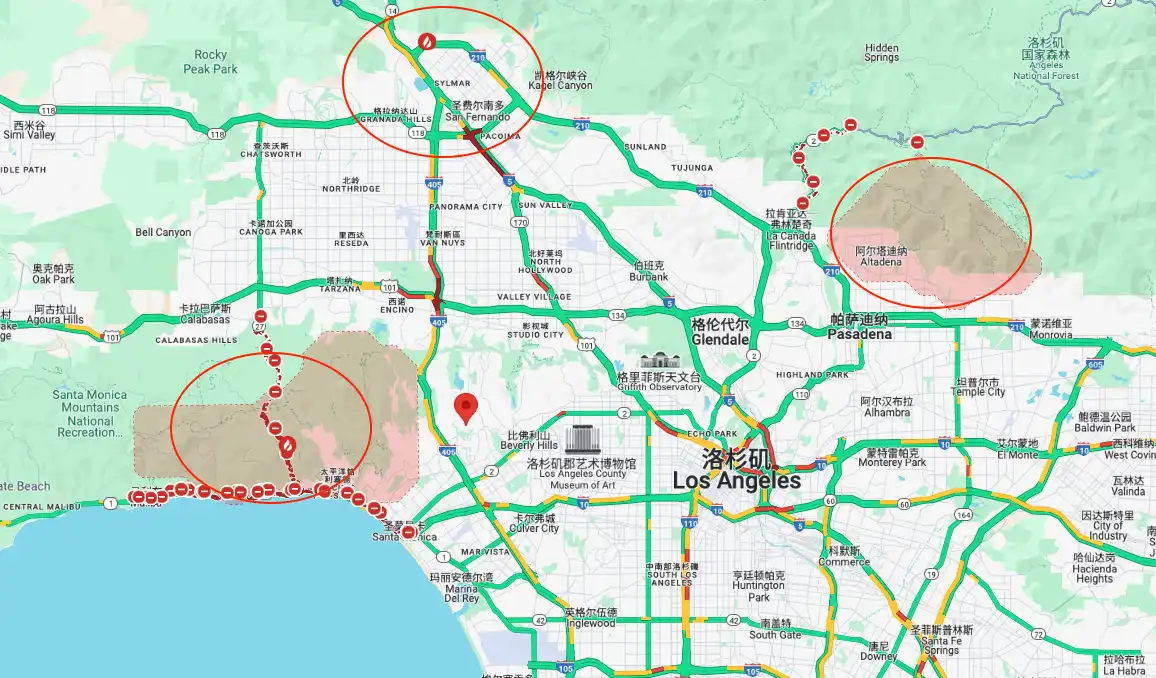
In the face of this natural fury, even some of Los Angeles' wealthiest communities have not been spared. The mansions that once symbolized the wealth and success of European and American celebrities and crypto giants are now on the front lines of the disaster.
In addition to these European and American celebrities, some crypto giants and newly minted millionaires also reside on the infamous streets of Los Angeles known for wildfires. They were once known for and showcased their business success through their mansions, but are now directly threatened by the merciless natural disaster.
Moonbirds Founder: Residence Completely Destroyed
“Sadly, lost everything in the #PacificPalisades fire. Nothing left here.” Moonbirds founder Kevin Rose shared a video of his burnt-down house and community scene, with a caption beside the video.
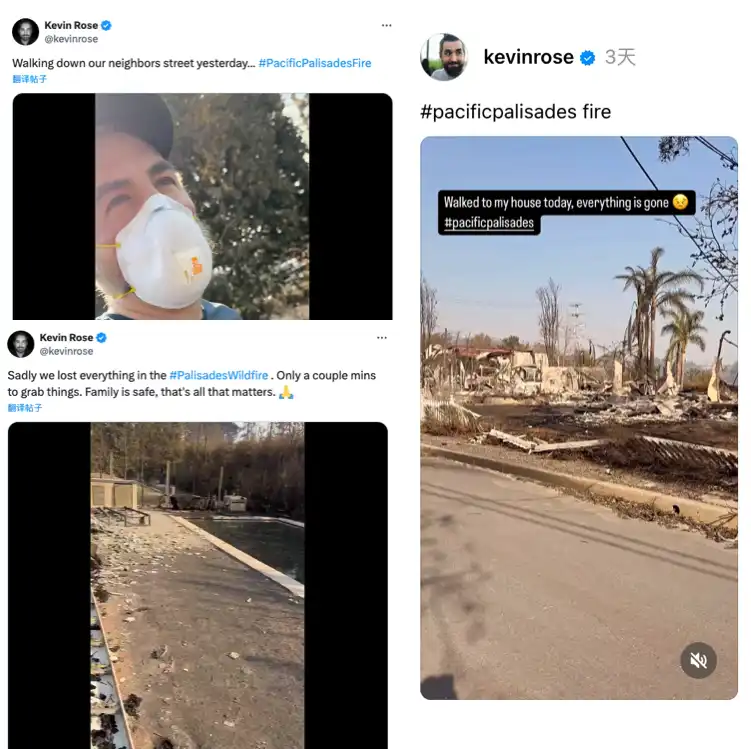
As shown in his video, Rose's residence in Los Angeles was completely destroyed in the California wildfire.
Rose began his career by founding the website Digg, later becoming a venture capitalist and one of the earliest investors in Twitter and Square. Then, due to his early involvement in the NFT boom of 2021, he created the Moonbirds project, which quickly gained fame.
Last year, Rose sold Moonbirds to Yuga Labs. As part of the deal, Rose became an advisor to Yuga Labs during a “brief transition period.” Shortly after the project's launch, through a series of NFT sales events, it quickly attracted over $500 million in sales and secured a $50 million investment from Andreessen Horowitz (A16Z).
Rose's reputation peaked with the success of the Moonbirds project. It was also during this time that Rose purchased a new home worth $16.5 million in the Brentwood community of Los Angeles. This celebrity-packed mansion area is known for its luxurious properties, and the house Rose purchased is a modern design with over 7,600 square feet of space, mostly made of glass walls, offering panoramic views of Los Angeles. Unfortunately, this beautiful residence was ultimately completely destroyed in this fire.
What many people don't know is that in a past podcast episode, he also revealed the tremendous pressure he faced from his involvement in an NFT project. He candidly discussed experiencing health issues such as anxiety, irritable bowel syndrome, high blood pressure, and brain aneurysm due to the explosive growth in NFT transaction volume. He even tried ketamine therapy, which ultimately brought him a sense of relaxation he hadn't felt since his teens.
Seemingly due to his past therapeutic experiences, in this current crisis, Rose also shared some philosophical views on embracing uncertainty on social media, hoping to find mental freedom and tranquility through this approach. "When we understand the truth of uncertainty, we become free."
Big Brother Ma: 16 Kilometers from the Fire Zone
Speaking of Chinese-speaking NFT celebrities, Big Brother Ma's name is widely known.
In June 2023, Taiwanese artist and NFT tycoon Huang Licheng (Big Brother Ma) purchased a mansion in the prestigious Bird Streets community in Los Angeles for $25 million. This luxurious estate spans 14,000 square feet, featuring amenities such as a wine cellar, a marble bar, and a large gym, with 5 bedrooms and 8 bathrooms.

It is understood that this Bird Streets mansion was originally listed for $34 million and was just completed in early 2022. However, as shown in photos, Big Brother Ma acquired it a year later at a price approximately 75% below the asking price. He now has neighbors such as Hon Hai Group founder Terry Gou, the Winklevoss brothers, and LVMH Group CEO Bernard Arnault.

From the pictures, the entire house is dominated by beige and brown tones. The interior space of the mansion is quite spacious with an open design, and floor-to-ceiling windows offer views of the entire Hollywood Hills, creating a very cozy atmosphere.
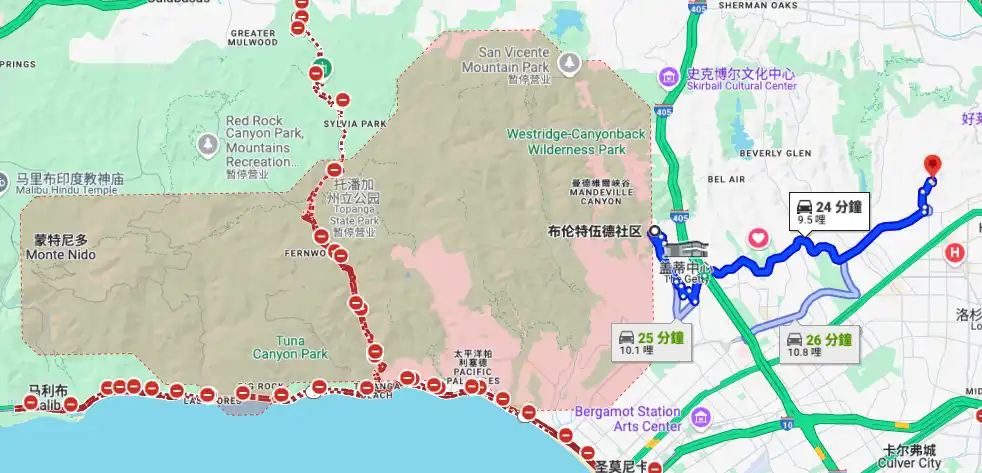
Although Big Brother Ma owns numerous mansions, during today's wildfire season, this Bird Streets mansion, located only 16 kilometers from the Pacific Palisades fire area, may be one of the most nerve-wracking properties for Big Brother Ma.
Ankr Founder: 14 KM from Wildfire
Just a street away from the Bird Streets mansion community, the buddy brother has a crypto neighbor, Ankr's founder Ryan Fang.
On November 22, 2021, the 27-year-old cryptocurrency entrepreneur purchased a mansion in the wealthy area of Los Angeles for $12 million. The house is situated near the hills of Doheny Estates, adjacent to the famous Bird Streets area. The house, completed in early 2019, was initially listed for nearly $17 million but after being on the market for over two years, undergoing multiple price adjustments, it was finally sold to Ryan Fang.
According to Dirt, the villa, designed by XTEN Architecture, spans 7,500 square feet, luxuriously furnished with five bedrooms and six bathrooms. The design of the house emphasizes modernity, with large glass windows ensuring ample natural light and providing spectacular city views. Its architectural style complements the surrounding Hollywood Hills mansions, with amenities including a spacious living area, a dining area with a marble bar, a fully equipped kitchen, a private theater, and an underground garage with epoxy resin flooring spacious enough to accommodate multiple vehicles.
Ryan Fang's personal achievements are equally remarkable. A graduate of the University of California, Berkeley, he was a software engineer at Amazon before founding Ankr's coin and co-founding the NFT auction platform Bounce. In 2019, he was named to Forbes' "30 Under 30" list, establishing his influence in the global tech and cryptocurrency space.
This luxury mansion is approximately 14.5 kilometers from the wildfire area in Pacific Palisades. As of Saturday noon, firefighters have contained 11% of the fire, meaning the Ankr founder's mansion remains safe.
Coinbase CEO: 25 KM from Wildfire
A few months ago, Coinbase's CEO Brian Armstrong hosted a grand wedding on the lawn of his Los Angeles mansion, a $133 million luxury home located in the city currently affected by wildfires. Fortunately, this luxurious mansion was not impacted by the wildfire.

This mansion, located at 10671 Chalon Road, Los Angeles, CA 90077, not only sits on nearly five acres of land but also includes a 19,000-square-foot main house and a 6,600-square-foot guesthouse, featuring at least 10 bedrooms and 13 bathrooms. The estate boasts a full range of amenities, including a tennis court, two swimming pools, a car court, a home theater, as well as a spa and gym.
The design of this villa was led by the renowned British architect John Pawson, known for his iconic minimalist aesthetic. The villa's design adopts a "stacked cube" structure, with large glass walls and sleek interior finishes complemented by spacious oak furnishings, creating a modern and inviting living environment.

The villa originally belonged to Hideki Tomita, the founder of the Japanese job-matching firm Dip Corporation, who acquired this property for $85 million in 2018 and later sold it to Armstrong for $133 million. This transaction was considered one of the most expensive single-family residential sales in Los Angeles history.
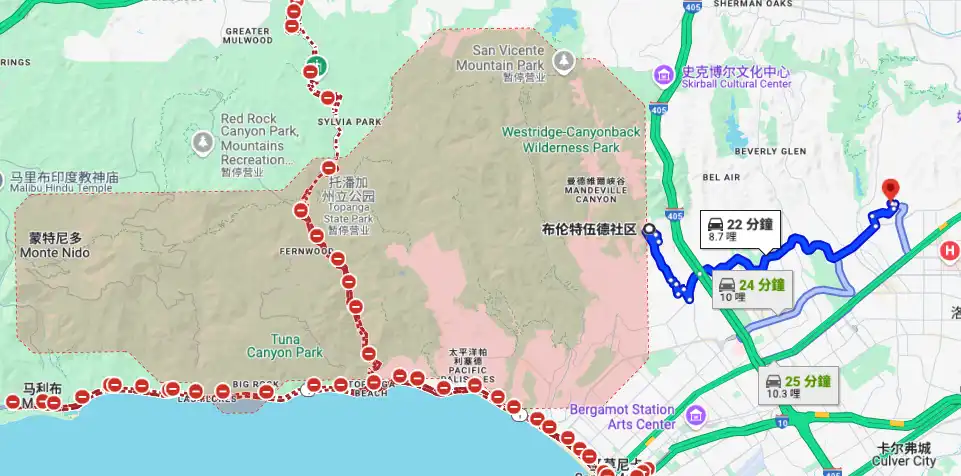
This luxury estate is situated approximately 25.35 kilometers in a straight line from the Pacific Palisades fire district and typically translates to about a 22-minute drive under normal traffic conditions. With expansive views from the mansion, looking out through the vast glass walls at the spectacular wildfire to the west, Brian Armstrong may have felt a tinge of anxiety. Fortunately, Brian Armstrong and his family are currently safe and sound.
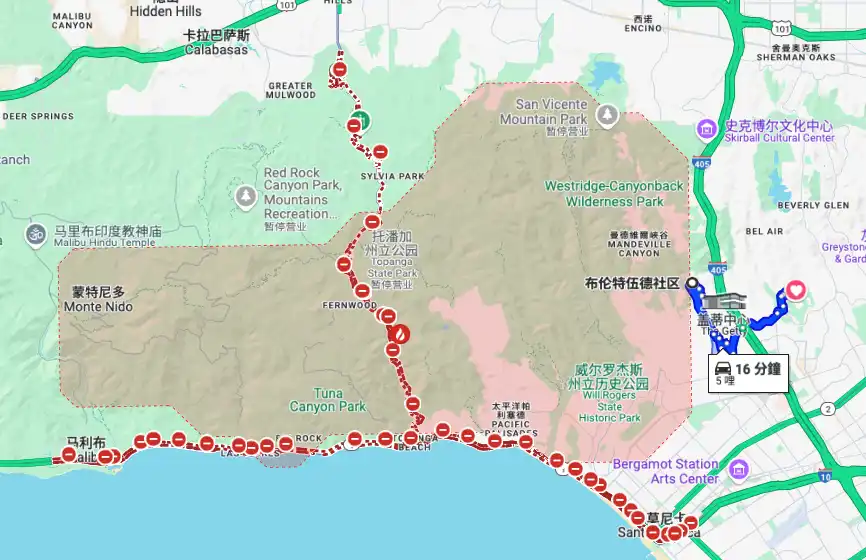
Kraken Former CEO: Mansion in Jeopardy
The former CEO of Kraken may be one of the most anxious figures in the crypto circle. In the prestigious Brentwood community of Los Angeles, Jesse Powell's luxurious residence is in close proximity to Pacific Palisades.
While the co-founder of the cryptocurrency exchange Kraken has stepped down as CEO, his life is anything but quiet. In March 2023, his residence was searched by the Federal Bureau of Investigation (FBI) as part of an investigation into his alleged involvement in hacking and network monitoring of a nonprofit arts group.
Meanwhile, this mansion, which was once searched by the FBI, is now under a serious threat from wildfires, as it is located in close proximity to a wildfire-prone area. According to reports, Powell's residence is only a few miles away from the Pacific Palisades fire area, and the neighborhood is currently under evacuation orders.
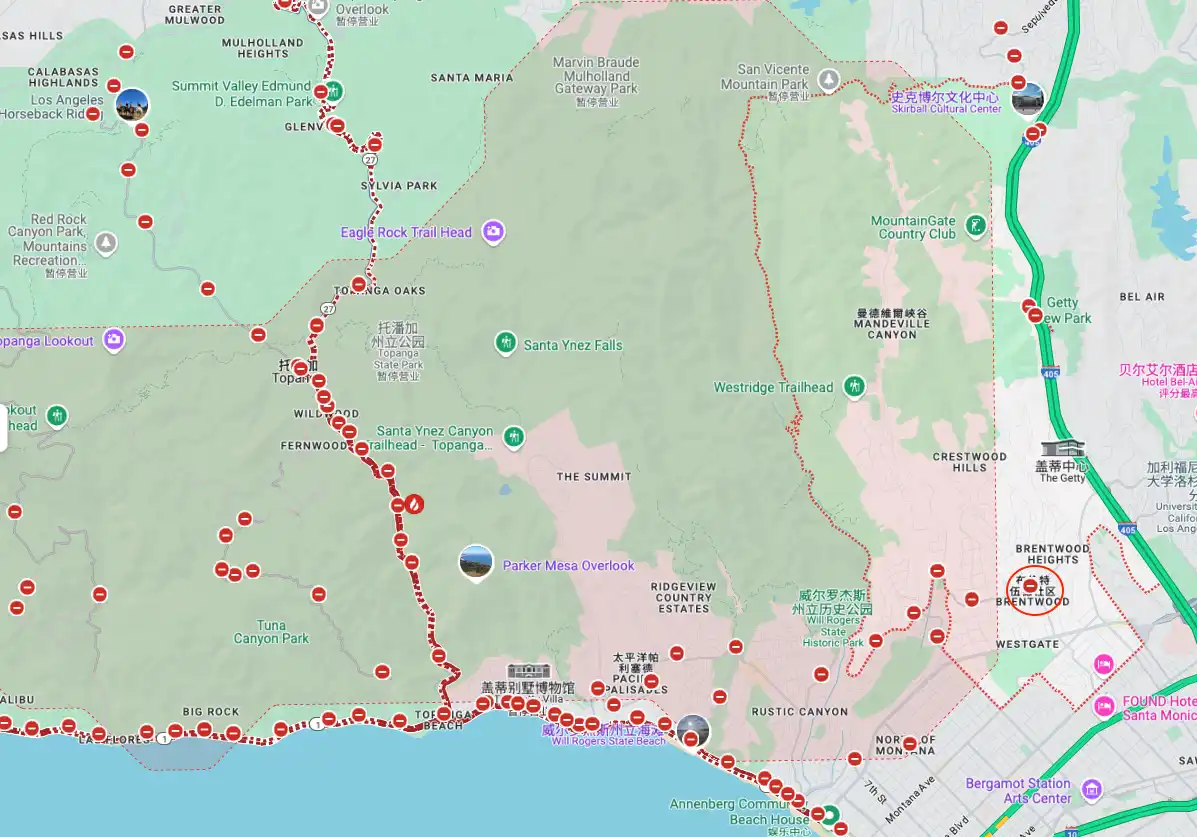
This proximity is enough to make any resident anxious, especially during wildfire season. The continuous coverage of fires and tense evacuation alerts may be causing unprecedented stress for this prominent figure in the tech and cryptocurrency industry.
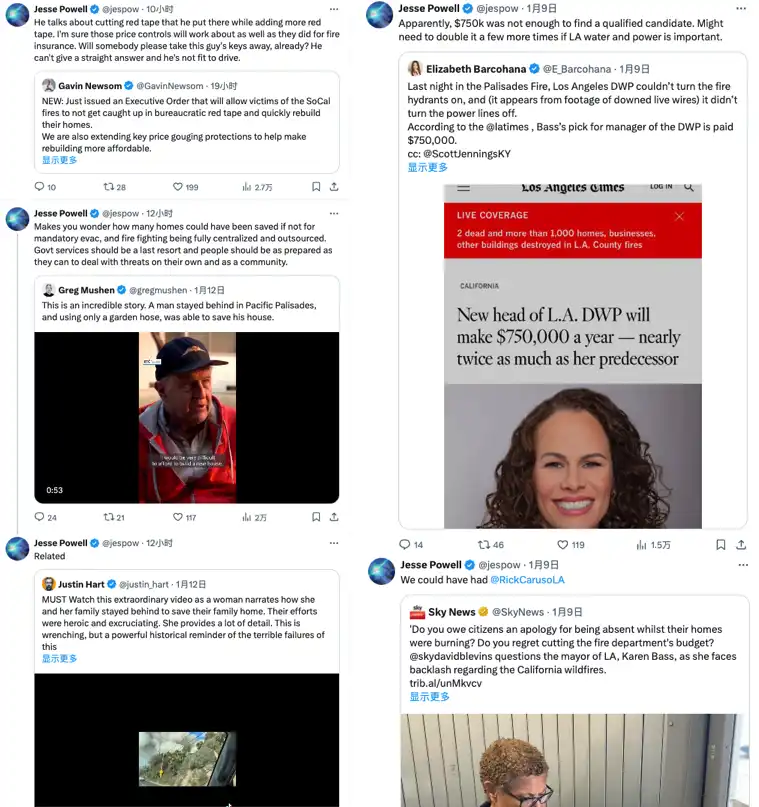
Jesse Powell also appears to be one of the most concerned individuals in the crypto community about the wildfires. Looking at his recent tweets, most of them criticize the government's poor handling of the fires and express concern for the affected residents, showing his attention and anxiety towards the current situation. Therefore, we speculate that in the years following the FBI search, Jesse Powell seems to have not sold this Los Angeles property and that the property is currently in danger.
PayPal Founder: 16 km from Fire Area
As a prominent venture capitalist and co-founder of PayPal, as well as the "PayPal Mafia" member who pushed Elon Musk out of PayPal, Peter Thiel holds a high position in Silicon Valley.
However, over the past few years, Peter Thiel has publicly supported Trump in his political stance, distancing himself from Silicon Valley and actively praising the disruptive potential of cryptocurrency and blockchain technology at public forums, supporting them as alternatives to traditional financial and government structures. Peter Thiel's investments in Bitcoin and blockchain technology have been increasing, and his venture capital firm, Founders Fund, was one of the earliest mainstream institutions to recognize and invest in Bitcoin, steadily growing in influence in the cryptocurrency field.
In 2018, to distance himself from the left-leaning environment, Peter Thiel moved his home and investment firm to Los Angeles. His residence in Los Angeles is a luxury mansion located in the Hollywood area, which Peter Thiel purchased in 2011 for $11.5 million.
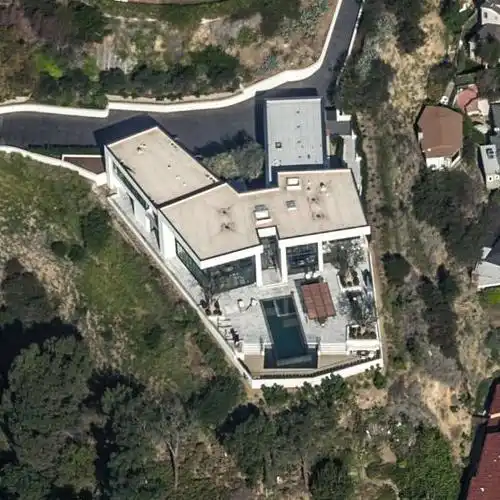
The estate is located above Sunset Boulevard and is equipped with various modern amenities, including a large master suite, dining room, family room, gourmet kitchen, and pool facilities, with four bedrooms, five bathrooms, and indoor-outdoor living spaces with a Hawaiian island vibe. The 5,870 square foot property includes a pool and two driveways leading to different streets, making it a rare gem in the area.
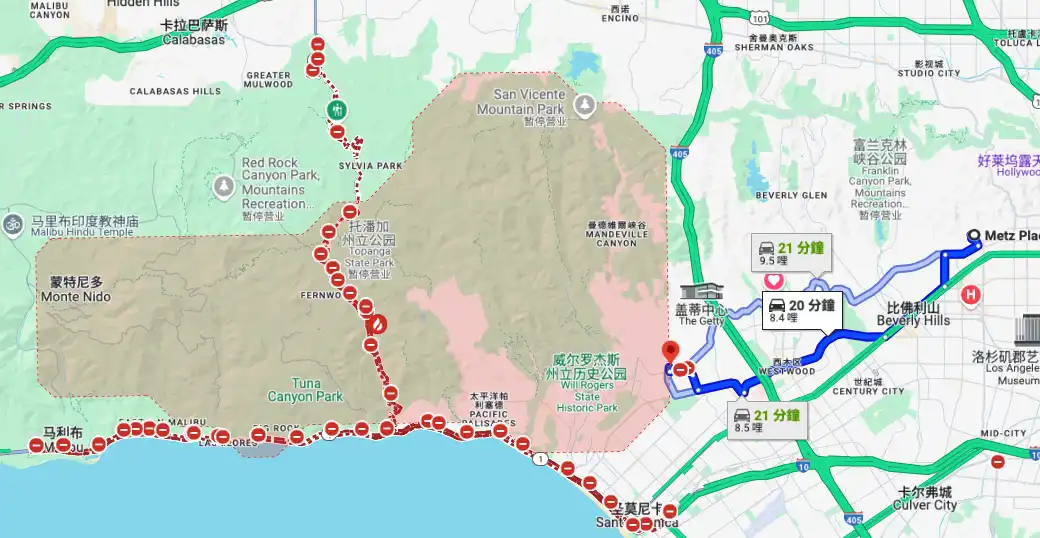
The mansion's location puts it only 16 kilometers away from the nearest wildfire area, Palisades, posing a potential risk to residential safety.
Others
As wildfires rapidly spread across California, not only threatening the lives of millions of residents but also severely impacting many companies and individuals in the cryptocurrency industry. In this disaster, many members of the crypto community not only lost their homes but also some irreplaceable assets such as hardware wallets.
The staff at the Santa Monica Bitcoin Office in Los Angeles, as well as Swan Bitcoin, a company that previously hosted the Pacific Bitcoin conference in Santa Monica, are located directly south of the Palisades and Sunset Fire area, facing the threat of the wildfires. Additionally, the headquarters of blockchain service provider BlockDaemon and crypto game developer SuperVerse are also in Los Angeles, while blockchain-based identity verification and tokenization company SpringLabs is located in nearby Marina del Ray.
You may also like

LALIGA Match Report: Vinícius scores as 10-man Real Madrid secure a 3-2 comeback victory in Madrid derby
In the early hours of March 23, 2026, Round 29 of LALIGA delivered a headline clash at the Santiago Bernabéu. Real Madrid hosted their local rivals, Atlético de Madrid, in a high-stakes encounter. Under referee José Munuera, the match unfolded at a fierce pace, packed with physical duels and momentum swings. After a five-goal thriller, Real Madrid held firm for a 3–2 home win, taking all three points. They remain second on 69 points, now four behind leaders Barcelona.
From a numbers standpoint, Real Madrid stayed composed under pressure, completing 526 passes with a 52.4% share of possession. Atlético struck first in the 33rd minute through Lookman. After the break, Real Madrid flipped the game: Vinícius converted a penalty to level, then Valverde fired them ahead. Molina pulled Atlético back on level terms, but Vinícius stepped up again in the 72nd minute to seal the win. Late drama followed as Valverde saw red, forcing Real Madrid to defend deep with ten men through the final stretch. Atlético's aggressive approach—12 fouls and 4 yellow cards—kept the pressure on, but they couldn’t stop the comeback.
WEEX Insights: As the official LALIGA partner in the Hong Kong and Taiwan regions, WEEX sees this win as a masterclass in control under pressure. Even after a red card and constant attacks, Real Madrid stayed sharp and executed with precision. That same discipline—staying calm in volatile moments and acting with clarity—reflects the core trading mindset WEEX stands for. LALIGA fan campaigns are coming soon—celebrate the game with WEEX.
About WEEX
Founded in 2018, WEEX has developed into a global crypto exchange with over 6.2 million users across more than 150 countries. The platform emphasizes security, liquidity, and usability, providing over 1,200 spot trading pairs and offering up to 400x leverage in crypto futures trading. In addition to the traditional spot and derivatives markets, WEEX is expanding rapidly in the AI era — delivering real-time AI news, empowering users with AI trading tools, and exploring innovative trade-to-earn models that make intelligent trading more accessible to everyone. Its 1,000 BTC Protection Fund further strengthens asset safety and transparency, while features such as copy trading and advanced trading tools allow users to follow professional traders and experience a more efficient, intelligent trading journey.
Follow WEEX on social media
X: @WEEX_Official
Instagram: @WEEX Exchange
Tiktok: @weex_global
Youtube: @WEEX_Official
Discord: WEEX Community
Telegram: WeexGlobalGroup

LALIGA Match Report: Araujo seals 1–0 win as Barça tighten grip on top spot
In the early hours of March 22 (Beijing Time), Barça edged Rayo Vallecano 1–0 at Camp Nou in a key Round 29 clash. The hard-earned win lifts Barça to 73 points, strengthening their hold on first place.
Barça controlled the game with 61% possession and a sharp 89% passing accuracy (460 passes). Rayo pushed back with intensity, earning 9 corners, but Barça's defense stayed solid. Yellow cards for Raphinha, Yamal, and Cubarsí highlighted the physical edge of the match. Second-half subs like Rashford and Olmo added fresh energy to help see out the result. Rayo remain 14th on 32 points.
WEEX Insights: As the Official LALIGA Partner in HK & TW, WEEX sees Barça’s 89% passing accuracy as a clear example of high execution with minimal error. Staying precise under pressure and finding the breakthrough reflects the same disciplined approach used in rational trading.
LALIGA interactive campaigns are coming soon—stay tuned with WEEX ⚽️
About WEEX
Founded in 2018, WEEX has developed into a global crypto exchange with over 6.2 million users across more than 150 countries. The platform emphasizes security, liquidity, and usability, providing over 1,200 spot trading pairs and offering up to 400x leverage in crypto futures trading. In addition to the traditional spot and derivatives markets, WEEX is expanding rapidly in the AI era — delivering real-time AI news, empowering users with AI trading tools, and exploring innovative trade-to-earn models that make intelligent trading more accessible to everyone. Its 1,000 BTC Protection Fund further strengthens asset safety and transparency, while features such as copy trading and advanced trading tools allow users to follow professional traders and experience a more efficient, intelligent trading journey.
Follow WEEX on social media
X: @WEEX_Official
Instagram: @WEEX Exchange
Tiktok: @weex_global
Youtube: @WEEX_Official
Discord: WEEX Community
Telegram: WeexGlobalGroup

These days, even hackers are losing money
Arm Chips In-House: Rewire News Brief

IOSG: Stablecoin Reshaping Asia Cross-Border Payments? Strategic Landscape and Investment Opportunities Analysis

\$73 Billion OpenAI Aims for IPO: Drops Sora, Snubs Disney, Puts Microsoft in Risk Factors

The Chip Industry's Most Secure Middleman Just Took a Very Risky Turn

CZ's Latest Interview: My Experience is Replicable, Writing a Book to Inspire Young Entrepreneurs

Morning News | Invesco acquires a $900 million on-chain fund from Superstate; ParaFi has raised $125 million for its new fund; Solana Foundation launches developer platform SDP

What is the background of this new fund that the two major prediction market platforms have rarely joined forces to create?

SIREN, another leveraged scam

Token has become extremely popular, and the blockchain is very sad

Tether's major shareholder invests £12 million to support the "British version of Trump" in the cryptocurrency sector

Huang Renxun's Latest Podcast: Will NVIDIA Reach $1 Trillion? Will the Number of Programmers Increase Instead of Decrease? How to Deal with AI Anxiety?
Besides Resolv Hack, This DeFi Vulnerability Type Has Occurred Four Times

Trump Cries Peace, $1.5 Billion Dash | Rewire News Evening Brief
From x402 to MPP: Cloudflare's crucial vote, will it go to Coinbase or Stripe?

BlackRock CEO issues annual open letter: The wave of tokenization has arrived, and we will lead this trend
LALIGA Match Report: Vinícius scores as 10-man Real Madrid secure a 3-2 comeback victory in Madrid derby
In the early hours of March 23, 2026, Round 29 of LALIGA delivered a headline clash at the Santiago Bernabéu. Real Madrid hosted their local rivals, Atlético de Madrid, in a high-stakes encounter. Under referee José Munuera, the match unfolded at a fierce pace, packed with physical duels and momentum swings. After a five-goal thriller, Real Madrid held firm for a 3–2 home win, taking all three points. They remain second on 69 points, now four behind leaders Barcelona.
From a numbers standpoint, Real Madrid stayed composed under pressure, completing 526 passes with a 52.4% share of possession. Atlético struck first in the 33rd minute through Lookman. After the break, Real Madrid flipped the game: Vinícius converted a penalty to level, then Valverde fired them ahead. Molina pulled Atlético back on level terms, but Vinícius stepped up again in the 72nd minute to seal the win. Late drama followed as Valverde saw red, forcing Real Madrid to defend deep with ten men through the final stretch. Atlético's aggressive approach—12 fouls and 4 yellow cards—kept the pressure on, but they couldn’t stop the comeback.
WEEX Insights: As the official LALIGA partner in the Hong Kong and Taiwan regions, WEEX sees this win as a masterclass in control under pressure. Even after a red card and constant attacks, Real Madrid stayed sharp and executed with precision. That same discipline—staying calm in volatile moments and acting with clarity—reflects the core trading mindset WEEX stands for. LALIGA fan campaigns are coming soon—celebrate the game with WEEX.
About WEEX
Founded in 2018, WEEX has developed into a global crypto exchange with over 6.2 million users across more than 150 countries. The platform emphasizes security, liquidity, and usability, providing over 1,200 spot trading pairs and offering up to 400x leverage in crypto futures trading. In addition to the traditional spot and derivatives markets, WEEX is expanding rapidly in the AI era — delivering real-time AI news, empowering users with AI trading tools, and exploring innovative trade-to-earn models that make intelligent trading more accessible to everyone. Its 1,000 BTC Protection Fund further strengthens asset safety and transparency, while features such as copy trading and advanced trading tools allow users to follow professional traders and experience a more efficient, intelligent trading journey.
Follow WEEX on social media
X: @WEEX_Official
Instagram: @WEEX Exchange
Tiktok: @weex_global
Youtube: @WEEX_Official
Discord: WEEX Community
Telegram: WeexGlobalGroup
LALIGA Match Report: Araujo seals 1–0 win as Barça tighten grip on top spot
In the early hours of March 22 (Beijing Time), Barça edged Rayo Vallecano 1–0 at Camp Nou in a key Round 29 clash. The hard-earned win lifts Barça to 73 points, strengthening their hold on first place.
Barça controlled the game with 61% possession and a sharp 89% passing accuracy (460 passes). Rayo pushed back with intensity, earning 9 corners, but Barça's defense stayed solid. Yellow cards for Raphinha, Yamal, and Cubarsí highlighted the physical edge of the match. Second-half subs like Rashford and Olmo added fresh energy to help see out the result. Rayo remain 14th on 32 points.
WEEX Insights: As the Official LALIGA Partner in HK & TW, WEEX sees Barça’s 89% passing accuracy as a clear example of high execution with minimal error. Staying precise under pressure and finding the breakthrough reflects the same disciplined approach used in rational trading.
LALIGA interactive campaigns are coming soon—stay tuned with WEEX ⚽️
About WEEX
Founded in 2018, WEEX has developed into a global crypto exchange with over 6.2 million users across more than 150 countries. The platform emphasizes security, liquidity, and usability, providing over 1,200 spot trading pairs and offering up to 400x leverage in crypto futures trading. In addition to the traditional spot and derivatives markets, WEEX is expanding rapidly in the AI era — delivering real-time AI news, empowering users with AI trading tools, and exploring innovative trade-to-earn models that make intelligent trading more accessible to everyone. Its 1,000 BTC Protection Fund further strengthens asset safety and transparency, while features such as copy trading and advanced trading tools allow users to follow professional traders and experience a more efficient, intelligent trading journey.
Follow WEEX on social media
X: @WEEX_Official
Instagram: @WEEX Exchange
Tiktok: @weex_global
Youtube: @WEEX_Official
Discord: WEEX Community
Telegram: WeexGlobalGroup


 App
App