
Former Star Public Blockchain Berachain in Crisis: Price Collapse, Layoffs, Developer Exodus



Original Article Title: "Price Crash, Project Layoffs, Developer Exodus, Is Berachain Becoming a Dead Public Chain?"
Original Article Author: Mach, Foresight News
On January 14, BERA experienced a short-term surge, skyrocketing from $0.5 to $0.9, a rare event considering its previous 12 consecutive weeks of decline on the weekly chart. On that day, the Berachain Foundation released its 2025 year-end review, highlighting ecosystem expansion, technical optimization, and community engagement post-mainnet launch, but also acknowledging various pressures brought about by market fluctuations.

After the Berachain mainnet launch, both TVL and token price experienced significant volatility. Perhaps this is not only due to market cycles but also a result of a combination of internal strategies and external pressures.
TVL Drops from $30 Billion to $1.8 Billion, Chain's 24-Hour Revenue at $84
In February 2025, Berachain officially launched its mainnet, introducing the innovative Proof of Liquidity (PoL) consensus mechanism, which aims to incentivize applications and user participation through liquidity proof rather than traditional Proof of Stake, making Berachain a Layer 1 chain designed specifically for DeFi applications to improve capital efficiency and user adoption. In the early stages of the launch, the ecosystem rapidly expanded, attracting hundreds of dApps, including DEXs like BEX, lending protocols, and NFT markets.
TVL once surged to $33 billion, with over 140,000 active addresses and a transaction volume of 9.59 million. The Foundation also supported multiple ecosystem projects through Request for Application (RFA) and Request for Comment (RFC) processes and partnered with institutions like BitGo to provide custody services, enhancing the project's professionalism. Additionally, Berachain's community building and marketing strategies showed strong performance in the early stages. The bear-themed NFT series (such as Bong Bears) attracted a large number of users, and airdrops and incentive programs further stimulated participation. These initiatives helped Berachain become a DeFi hotspot in the first half of 2025, ranking as the sixth-largest DeFi chain.
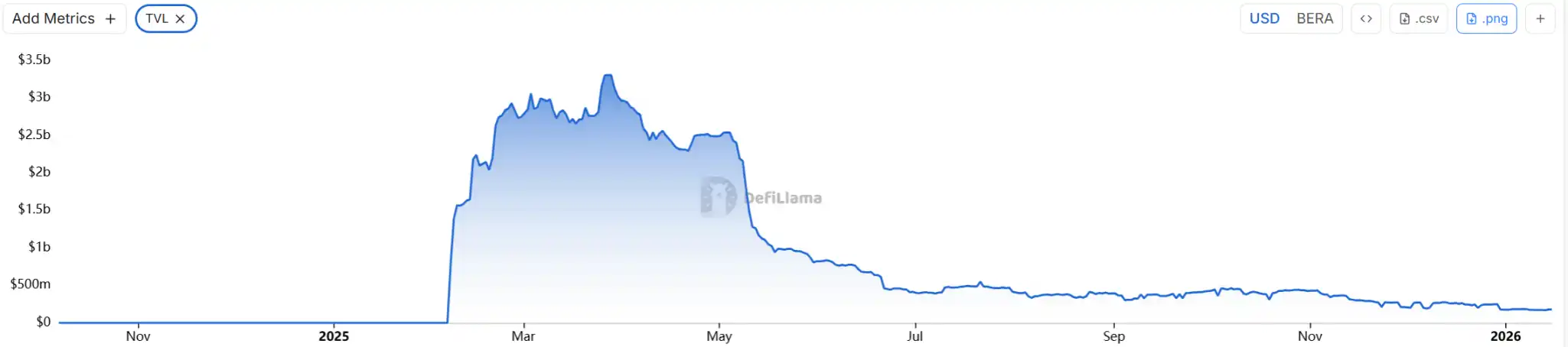
However, as the token price continued to decline, according to DefiLlama data, its TVL has dropped to $1.8 billion, with a 24-hour on-chain revenue of $84 and a total supply of on-chain stablecoins amounting to $153.5 million.
Retail Investors Last? Token Majority Owned by VCs, Facing Large Unlock in February
In its year-end update, the Berachain Foundation acknowledged that the overall impact of the cryptocurrency market's "retail investors first" strategy had been poor, leading to a reallocation of resources. This directly resulted in a series of issues. The first was layoffs and team restructuring. As part of a strategic adjustment, the Berachain Foundation laid off most of its retail investor marketing team, shifting focus to core development. Berachain's lead developer, Alberto, will also depart to start a Web2 company with former banking colleagues.
The foundation emphasized that the departures were amicable, but it undoubtedly weakened the project's core technical strength. Within the community, some developers have switched to other chains like Monad, further exacerbating talent drain.
Perhaps the "retail investors first" strategy promoted by the Berachain Foundation was never truly implemented.
While the project initially emphasized community-driven efforts, in practice, the incentive mechanisms failed to consistently attract users, leaving retail investors sidelined in token distribution.
Although the PoL mechanism was innovative, its complexity (such as a multi-token model including BERA and BGT) made users hesitant, leading to a sharp decline in network activity. In November 2025, the project suffered a network suspension due to a Balancer protocol vulnerability, fortunately without impacting user funds' security.
The BERA token price has plummeted from its $9 peak to the current $0.7, experiencing over a 10x drop in just a year. The former self-proclaimed king of public chain tokens has seen a significant decline.
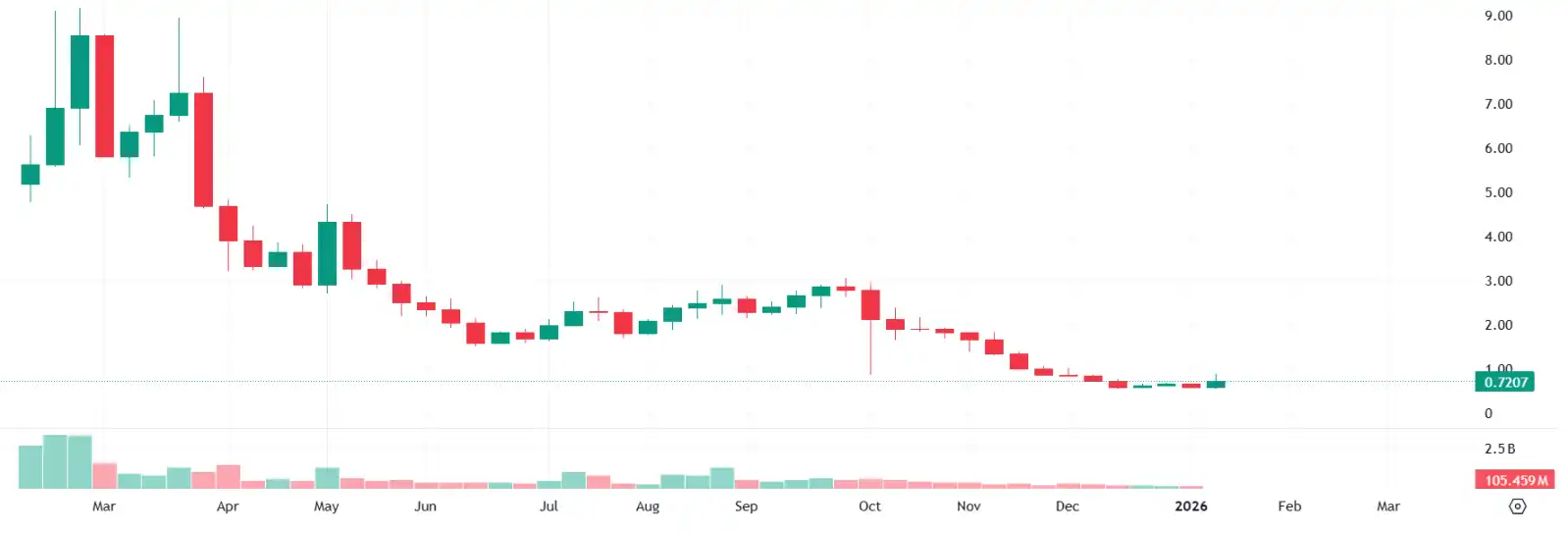
This collapse stemmed from a low circulation and high FDV model, causing an artificial price inflation followed by a rapid collapse, with these issues originating from Berachain's token distribution mechanism. Early contributors received 16.82% of the total supply, private sale investors got an astonishing 34.31% share, a very typical VC coin scenario. Furthermore, NFT holders could receive tens of millions of dollars in tokens, while testnet users were airdropped only $60, sparking a controversy over the wealth gap, with some loyal users being marginalized.
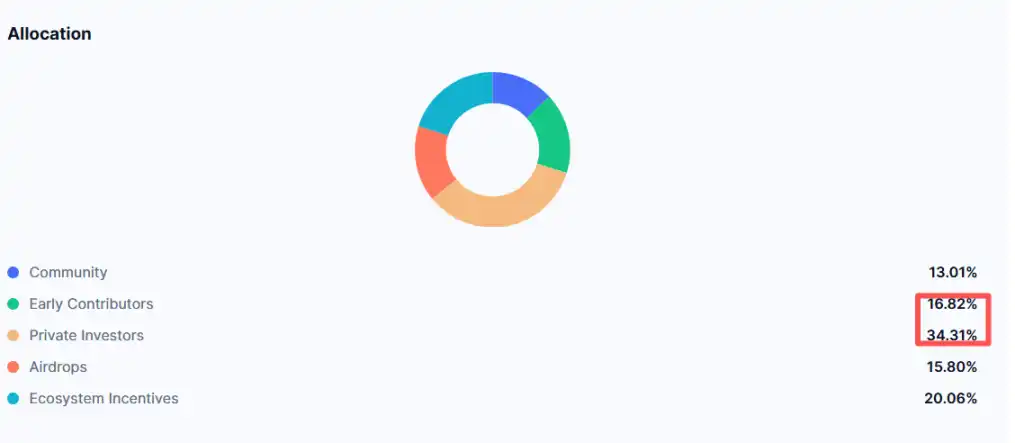
This goes against the "retail investors first" slogan, with the project fundamentally following a VC-driven low circulation high FDV model: early investors entered at $0.82, getting 10-15x returns, while retail investors suffered the collapse. Foundation founder Smokey admitted that if given another chance, they would not sell as many tokens to VCs and have already repurchased some to reduce dilution. In October 2025, the Berachain Foundation partnered with Greenlane Holdings to launch BeraStrategy, attempting to use BERA as a reserve asset but struggling to reverse the coin's price decline.
Furthermore, VCs like Brevan Howard's Nova Fund have a refund right, allowing them to request a full refund of $25 million before February 2026, further highlighting Berachain's bias toward VCs.
Community discontent is rising, with many users referring to it as the "ultimate L1 fraud."
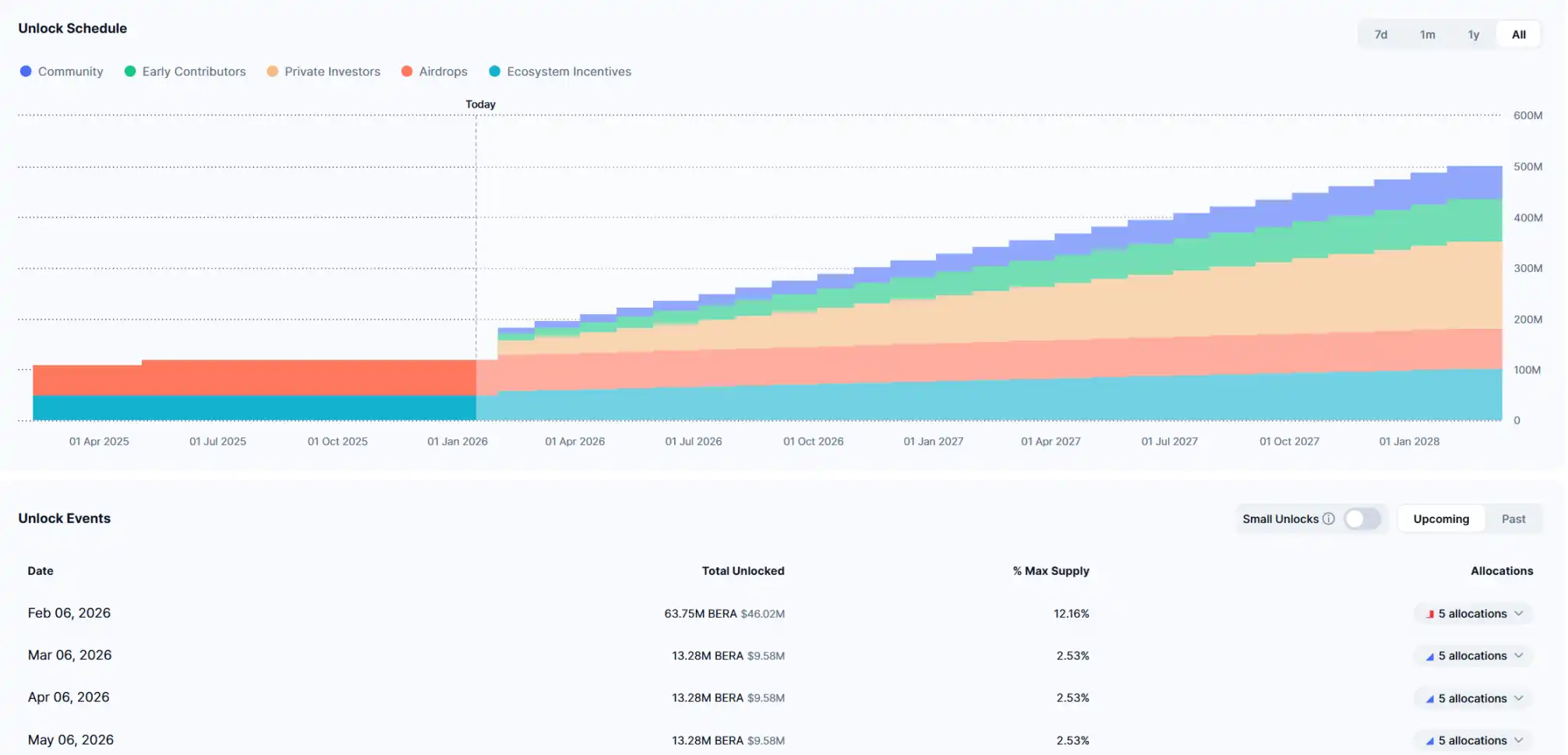
On February 6 this year, Berachain will unlock 63.75 million BERA, about 12.16% of the current circulation, including 28.58 million unlocked for private investors. Starting from March this year, the monthly unlocked share of BERA will be 2.53% of the total supply. Considering the current liquidity drought, continued large-scale unlocks this year may trigger significant selling pressure.
You may also like

Champion's Final Bow: FC Barcelona vs Real Betis – Celebrate the Title with a Home Finale

Best Oil Trading Platform for Crypto Users in 2026

5 Futures Trading Strategies Smart Traders Use to Cut Crypto Fees and Boost Futures Returns

What Is TradFi? How Crypto Traders Can Now Access Crude Oil, Gold, and Global Markets

How WEEX Bridges Crypto and Football: A Deep Look at the LALIGA Partnership Inside the WEEX App
WEEX is not just a LALIGA sponsor. It’s a true partner. From iPhone Dynamic Island to LALIGA-themed app icons and smart posters, see how WEEX brings football passion into every trade — and builds a real bridge between crypto and sports.

FC Barcelona vs Real Madrid Preview: El Clásico – Can Barça Clinch the Title at Spotify Camp Nou?
FC Barcelona vs Real Madrid El Clásico match preview for May 11, 2026. Barça need just 1 point to win LALIGA. Can Madrid delay the trophy? Full preview inside.

At the Stripe conference, I saw the future of the AI economy

Miners welcome a new life

Seven Important Judgments by Claude Code's Founder at the Sequoia Conference

The payment moment of AI agents: Who will become the Stripe of the machine economy?

Morning Report | MoonPay acquires Solana's execution layer DFlow; Strategy releases Q1 financial report; Manta Network announces the termination of Manta staking program

Rented Tracks: What is this wave of stablecoin FX hot money really paying for?

Dialogue Velocity Eric: What is the stablecoin track that the CFO really wants?

Strategy should have said that selling coins is not ruled out

How MegaETH Achieved a TVL of 700m Within a Week of TGE? Analyzing the Packaging Strategy

Futures Trading Hours: Trade Cryptocurrency 24/7 and Earn Back Up to 45% in Trading Fees
Learn futures trading hours and the best time to trade crypto futures. Discover 24/7 market insights, peak trading sessions, and how to earn back up to 45% in fees.
Why is a16z Crypto raising another $2.2 billion to heavily invest in Web3?
Polymarket Underlying Algorithm Explained
Champion's Final Bow: FC Barcelona vs Real Betis – Celebrate the Title with a Home Finale
Best Oil Trading Platform for Crypto Users in 2026
5 Futures Trading Strategies Smart Traders Use to Cut Crypto Fees and Boost Futures Returns
What Is TradFi? How Crypto Traders Can Now Access Crude Oil, Gold, and Global Markets
How WEEX Bridges Crypto and Football: A Deep Look at the LALIGA Partnership Inside the WEEX App
WEEX is not just a LALIGA sponsor. It’s a true partner. From iPhone Dynamic Island to LALIGA-themed app icons and smart posters, see how WEEX brings football passion into every trade — and builds a real bridge between crypto and sports.
FC Barcelona vs Real Madrid Preview: El Clásico – Can Barça Clinch the Title at Spotify Camp Nou?
FC Barcelona vs Real Madrid El Clásico match preview for May 11, 2026. Barça need just 1 point to win LALIGA. Can Madrid delay the trophy? Full preview inside.

Contents
Popular coins
Latest Crypto News